Discover the significance of water treatment in maintaining clean and safe drinking water. This article explores various methods and technologies used in water treatment and highlights the importance of access to clean water for human health and the environment.
Water is an essential resource for all life on Earth. Access to clean and safe drinking water is vital for maintaining human health and well-being. However, the availability of naturally pure and safe water sources is becoming increasingly scarce due to pollution and environmental factors. This is where water treatment plays a crucial role. In this article, we will delve into the significance of water treatment, exploring various methods and technologies used to ensure clean and safe drinking water.
The Importance of Water Treatment
Water treatment is the process of removing contaminants and impurities from water to make it safe for consumption. It aims to eliminate or reduce harmful substances, such as bacteria, viruses, parasites, chemicals, and pollutants, that can cause waterborne diseases and other health risks. The importance of water treatment cannot be overstated, as it is directly linked to human health, environmental sustainability, and economic development.
Waterborne Diseases and Contaminants
Waterborne diseases pose a significant threat to public health, especially in regions with inadequate water treatment systems. Contaminants such as bacteria (e.g., E. coli and Salmonella), viruses (e.g., Hepatitis A and norovirus), and parasites (e.g., Giardia and Cryptosporidium) can be present in untreated water sources. These pathogens can cause illnesses like diarrhea, cholera, dysentery, and typhoid fever, leading to severe health complications and even death.
Moreover, water can also contain various chemical contaminants, including heavy metals (e.g., lead and mercury), pesticides, pharmaceuticals, and industrial pollutants. These substances, when ingested over time, can have detrimental effects on human health, affecting vital organs and contributing to long-term health issues.
Water Treatment Methods and Technologies
Water treatment involves several processes and technologies aimed at removing contaminants and improving water quality. Some common water treatment methods include:
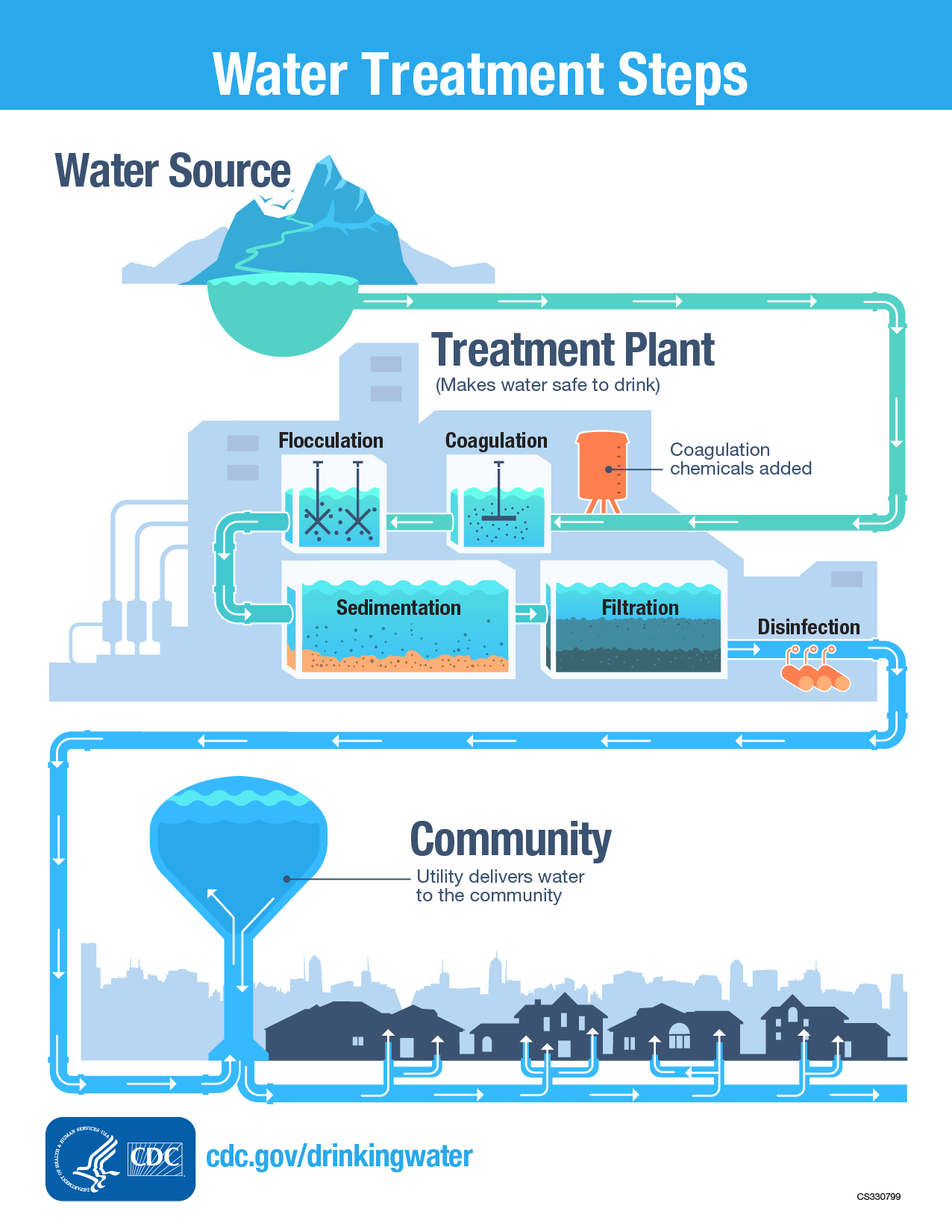
a) Coagulation and Flocculation: This process involves the addition of chemicals to water, causing small particles to clump together, forming larger particles called flocs. These flocs can then be easily removed through sedimentation or filtration.
b) Sedimentation: During sedimentation, the flocs formed in the coagulation process settle at the bottom of a tank, allowing the clear water to be separated from the solid particles.
c) Filtration: Filtration is a critical step in water treatment. It involves passing water through various filtration media, such as sand, activated carbon, and membranes, to remove suspended particles, bacteria, and other contaminants.
d) Disinfection: Disinfection is essential for killing or inactivating microorganisms present in the water. Common disinfection methods include chlorination, ozonation, and ultraviolet (UV) radiation.
e) Reverse Osmosis: Reverse osmosis is a highly effective filtration process that uses a semipermeable membrane to remove dissolved salts, minerals, and other contaminants from water.
Ensuring Water Quality and Safety
Water treatment plants and facilities play a crucial role in ensuring the quality and safety of drinking water. Regular testing and monitoring of water sources and treatment processes are essential to identify any potential issues and maintain compliance with water quality standards. Governments, regulatory bodies, and environmental organizations work together to establish and enforce these standards to protect public health.
In addition to centralized water treatment systems, point-of-use water treatment devices, such as water filters and purifiers, are widely used to enhance the safety of drinking water at the household level. These devices provide an additional layer of protection by removing contaminants that may have bypassed the municipal treatment process.
Water treatment is a vital process for safeguarding public health and ensuring access to clean and safe drinking water. By employing various methods and technologies, water treatment plants and facilities help protect individuals and communities from waterborne diseases and contaminants. It is essential to recognize the significance of water treatment and support efforts to improve water quality and sustainability, thereby ensuring a healthier future for generations to come.